
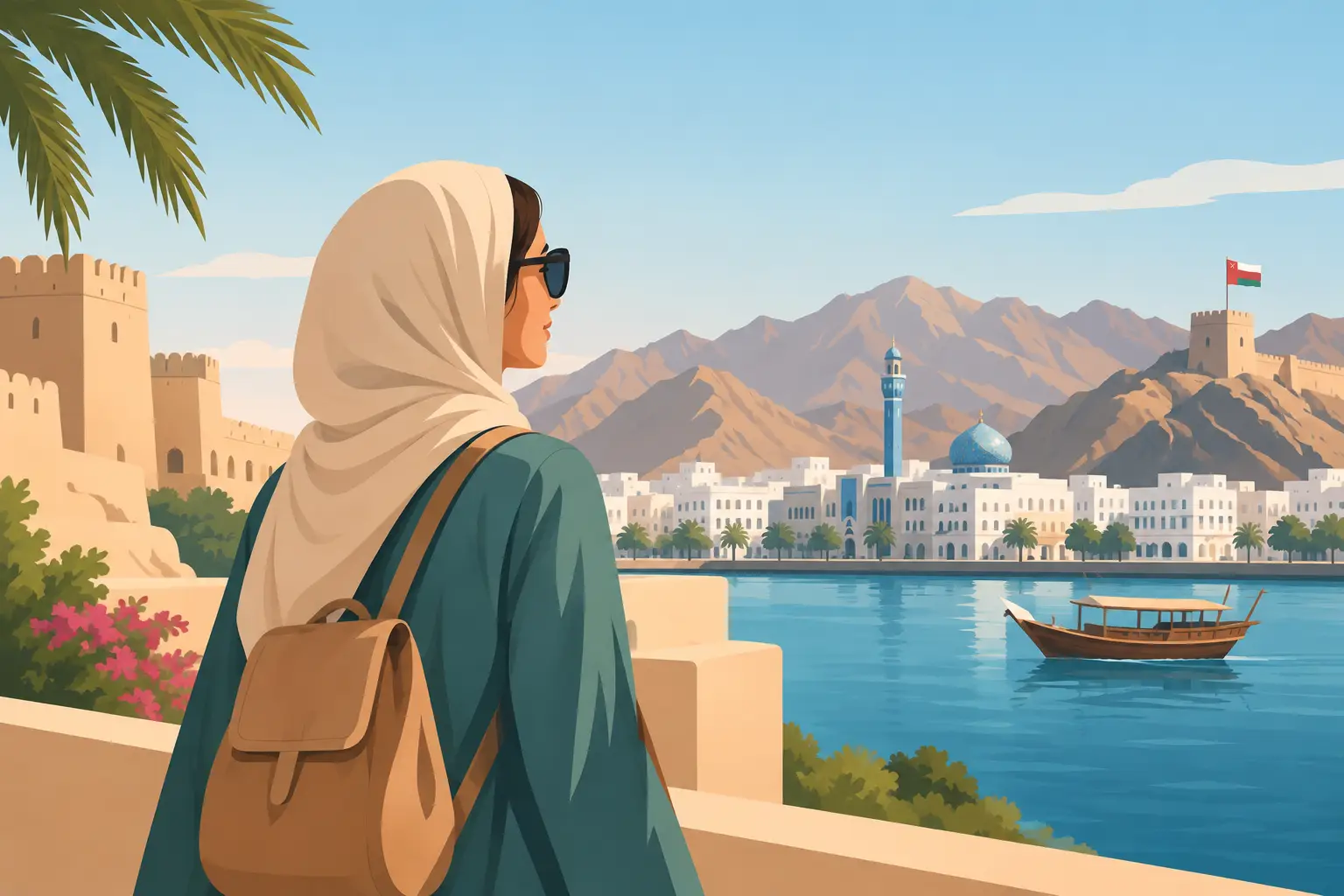
A sunrise drive through the Hajar Mountains, a swim in a clear wadi, and a night under the stars in Wahiba Sands can feel wonderfully far from ordinary life. But before booking, many travelers ask the same practical question: “is Oman safe women?” The short answer is yes: Oman is widely regarded as one of the safer destinations in the Middle East for women travelers, including those traveling independently. Still, a rewarding trip depends on understanding local customs, choosing sensible transport, and treating the desert and mountains with the respect they require.
Oman is known for its calm atmosphere, warm hospitality, and relatively low levels of street crime. Visitors often find that people are helpful rather than intrusive, especially outside the busiest tourist areas. For women, that creates a strong foundation for travel, but it is not a reason to switch off normal travel awareness.
Is Oman Safe for Women Traveling Alone?
For a solo woman, Oman can be an excellent choice if you like nature, culture, and a slower pace of travel. Muscat is orderly and easy to navigate by car or arranged transfer, while established destinations such as Nizwa, Sur, Jebel Akhdar, Jebel Shams, Wadi Shab, and Wahiba Sands regularly welcome international visitors.
Violent crime against tourists is uncommon, and many women report feeling comfortable walking around hotels, malls, souqs, and populated waterfront areas. The key distinction is that Oman is safe in a quiet, conservative way. It is not a destination built around late-night street life, spontaneous bar-hopping, or wandering alone through isolated areas after dark.
Use the same judgment you would anywhere else. Keep valuables out of sight, avoid poorly lit or deserted places at night, tell someone where you are going on a hike, and be cautious with new acquaintances. If a situation feels uncomfortable, leave it promptly and ask your hotel, guide, or driver for help.
Women can drive in Oman, rent a car, and travel independently. However, road conditions and terrain deserve more attention than personal security in many itineraries. Long distances, fast-moving traffic, unmarked turns, mountain roads, and sandy tracks can be challenging for first-time visitors. A private driver, a licensed local guide, or a well-planned self-drive route is often the more relaxed option.
Local Customs That Help You Feel Comfortable
Oman is a Muslim country with strong traditions of modesty, privacy, and courtesy. Travelers do not need to dress exactly like Omani women, but clothing that respects the setting makes everyday interactions smoother and helps you feel at ease.
In Muscat, resorts, and tourist hotels, visitors have more flexibility. Swimwear is appropriate at hotel pools and private beaches. When visiting mosques, villages, souqs, forts, or public beaches, choose loose clothing that covers your shoulders and knees. Lightweight long sleeves, wide-leg pants, midi skirts, and a scarf in your day bag are practical choices in both the heat and air-conditioned interiors.
A headscarf is not generally required for foreign women in public, although it is usually required inside a mosque. For a mosque visit, bring a scarf large enough to cover your hair and wear long sleeves, full-length pants or a long skirt, and clothing that is not tight or sheer.
Public displays of affection are best kept discreet. Holding hands is usually fine for couples, but kissing in public may cause offense. Alcohol is available in some licensed hotels and restaurants, but drinking in public is not acceptable. These are not difficult rules to follow, and they allow you to enjoy Omani hospitality with mutual respect.
Photography also calls for tact. Always ask before photographing people, especially women, families, or anyone in a rural community. Do not photograph government, military, police, airport, or border facilities. When in doubt, put the camera down and ask.
Transportation: The Part Worth Planning in Advance
Oman is spread out. The country’s most memorable places are often reached by road, from the coast near Sur to mountain villages above Jebel Akhdar and desert camps beyond Bidiyah. This is where thoughtful planning has the biggest effect on both comfort and safety.
For airport arrivals, late-evening transfers, long drives, and remote excursions, arranging transportation in advance removes unnecessary uncertainty. A known driver or licensed guide understands the route, fuel stops, weather conditions, and local timing. It also means you are not trying to negotiate transport after a long flight or at the end of a remote hiking day.
Taxis are common in cities, but agree on the fare before departing when a meter is not being used. If you are traveling alone, sit in the back seat and share your route or arrival details with a friend or family member when possible. These are simple habits, not signs that Oman is unusually risky.
Self-driving gives you freedom, particularly for couples, families, and confident road trippers. Choose a suitable vehicle for your planned route. A standard car works well for Muscat, Nizwa, and many paved roads, while mountain routes, desert access, and some wadi tracks may require a 4WD. Do not attempt off-road desert driving without experience, reliable navigation, enough water, and a clear plan.
Nature Safety Matters as Much as Personal Safety
The landscapes that make Oman unforgettable can be powerful and remote. In practice, the most significant risks for many travelers are heat, flash floods, rough terrain, and driving mistakes rather than crime.
Wadis can change quickly after rain, even when the sky above you looks clear. Never enter a wadi or cross flowing water if heavy rain is forecast in the surrounding mountains. Follow local instructions, turn back when conditions change, and do not try to drive through floodwater.
For a day at Wadi Shab or a mountain hike near Jebel Shams, bring more water than you think you need, sun protection, grippy shoes, a charged phone, and modest clothing that can handle swimming and walking. Start early in warmer months. In the desert, stay with your guide or camp team, especially after dark, when dunes can look deceptively similar and temperatures can drop.
Traveling with a local team adds useful context beyond navigation. A licensed Omani guide can explain appropriate behavior in villages, identify safe swimming conditions, adjust a route for weather, and make sure the experience fits your confidence level. Majan Views builds these practical details into tailor-made journeys, whether you want a private day trip, a self-drive plan with support, or a multi-day desert and mountain adventure.
Tips for Solo Women, Friends, and Families
Women traveling with friends or family will generally find Oman straightforward, especially when accommodations and transport are arranged ahead. Solo travelers may prefer to book their first nights in Muscat, schedule airport pickup, and add guided day trips for more remote areas. This creates a comfortable rhythm without giving up independence.
A few choices make a real difference:
- Stay in registered hotels, reputable guesthouses, or established desert camps rather than accepting informal overnight offers.
- Carry a local SIM or reliable mobile data plan so you can access maps and communicate outside cities.
- Keep a photo of your passport, travel insurance, hotel address, and planned route saved securely on your phone.
- Dress a little more conservatively in smaller towns and rural areas than you would at a beach resort.
- Trust your instincts. Polite firmness works well if someone is overly persistent or a situation does not feel right.
If you need help, approach hotel staff, a shopkeeper, security personnel, or a family rather than trying to manage a problem alone. Omani society places a high value on hospitality, and travelers often find that asking directly for assistance is met with genuine care.
When Extra Planning Is a Good Idea
Some situations call for more support. First-time visitors with limited time, women arriving late at night, travelers who do not want to drive, and anyone planning canyon walks, mountain tracks, or desert camping will benefit from organized logistics. The same applies during summer, when heat can shape every part of the day, and during periods of rain, when wadi conditions need close attention.
This does not mean you need to turn your trip into a rigid group tour. A private guide and vehicle can leave room for a sunrise at the Grand Mosque, time in Nizwa Souq, a swim stop on the coast, or a quiet campfire in the dunes. The best Oman itineraries combine freedom with the right support in the places where local knowledge counts.
Oman rewards travelers who arrive curious, prepared, and respectful. Pack light layers, plan your transport before reaching remote regions, and leave enough space in the itinerary for the unplanned moments: cardamom coffee offered in a village, a sea turtle track on the sand, or the silence that settles over the desert after sunset.

Comment (0)